Stretch Therapy
Assisted Stretching vs Massage: What Is the Difference?
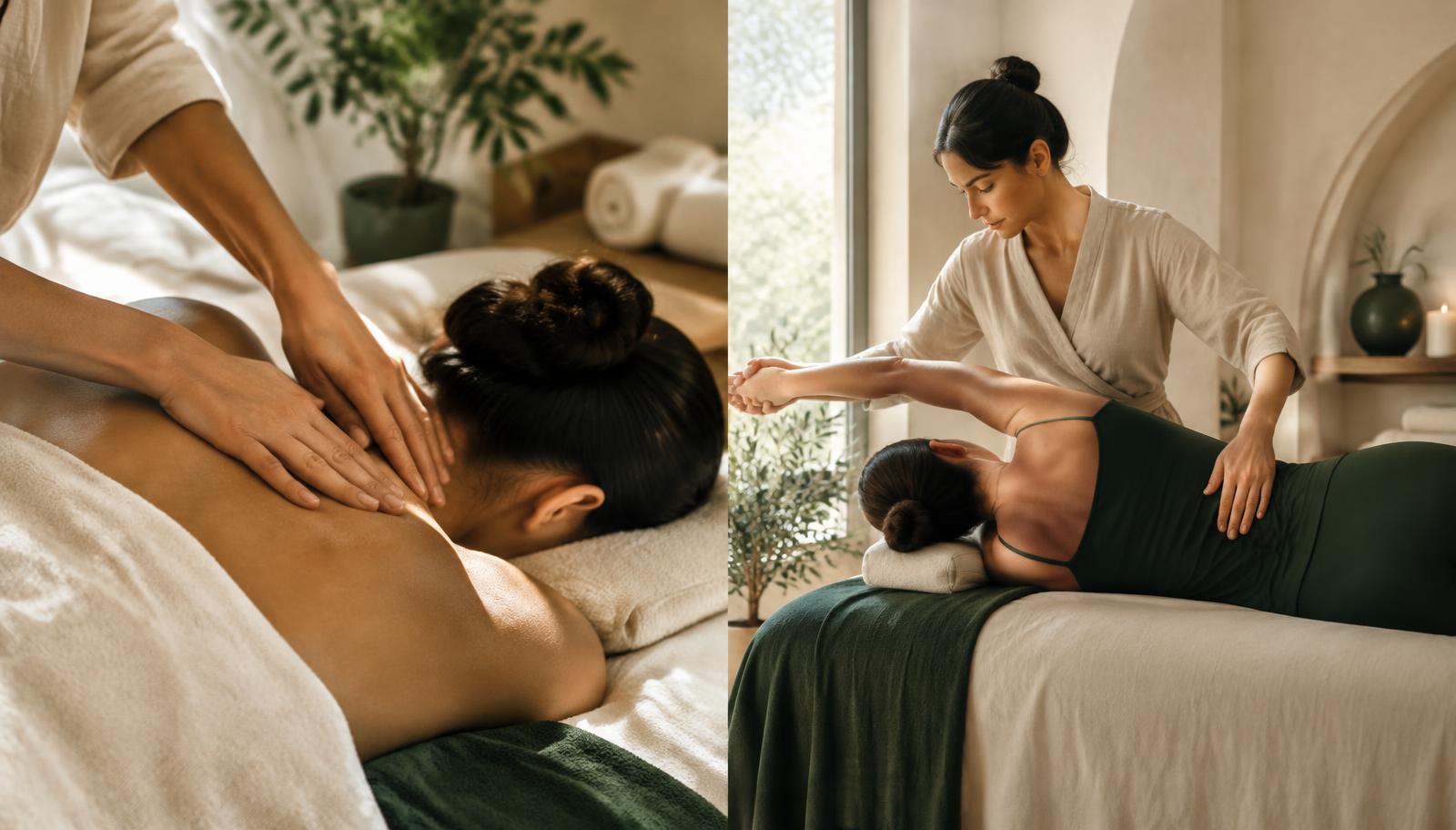
Assisted stretching and massage are both hands on wellness services, and both can leave you feeling looser and more relaxed. But they work in different ways, and understanding the difference helps you choose the right one for your goals.
How Massage Works
Massage therapy focuses on soft tissue. A massage therapist uses pressure, kneading, and gliding techniques on muscles and connective tissue, usually while you lie still on a table. The goal is typically relaxation, relief of muscle tension, and general wellbeing.
Massage is passive: the therapist works on your body while you rest. Many people find it calming, and it can be a helpful part of recovery from physical activity or stressful periods.
How Assisted Stretching Works
Assisted stretching focuses on movement and range of motion. A practitioner guides your limbs and joints through selected stretches, often with you lying, sitting, or sometimes standing. You stay relaxed, but the session is organized around positions and movement rather than pressure on tissue.
Because stretching is about how your joints move, sessions often feel more active than massage, even though the practitioner does the positioning work. Hands on assisted stretching should always be performed by a trained provider who asks for your consent, explains each movement, and checks your comfort as they go.
Key Differences at a Glance
- Focus: massage works on soft tissue; stretching works on movement and range of motion.
- Clothing: massage often involves direct skin contact; stretch sessions are done fully clothed.
- Participation: massage is passive; stretching involves guided positions and sometimes light effort from you.
- Takeaway: stretching sessions often include movements you can repeat at home.
A Sample Self Stretch Routine to Complement Either Service
Whether you choose massage, stretching, or both, a short home routine helps you keep the feeling between appointments. Here is a gentle five movement sequence you can do on your own.
1. Neck Half Circles
Setup: Sit or stand tall with your shoulders relaxed.
- Gently lower one ear toward your shoulder.
- Slowly roll your chin across your chest to the other side.
- Lift back to center and repeat.
Starting hold or reps: 3 to 5 slow half circles each way.
Breathing: Exhale as your chin moves across your chest; inhale back to center.
Common mistake to avoid: Doing full circles or dropping the head far back. Keep the movement in front of you and small.
Easier option: Skip the roll and simply hold a gentle ear to shoulder stretch on each side.
2. Cat Cow
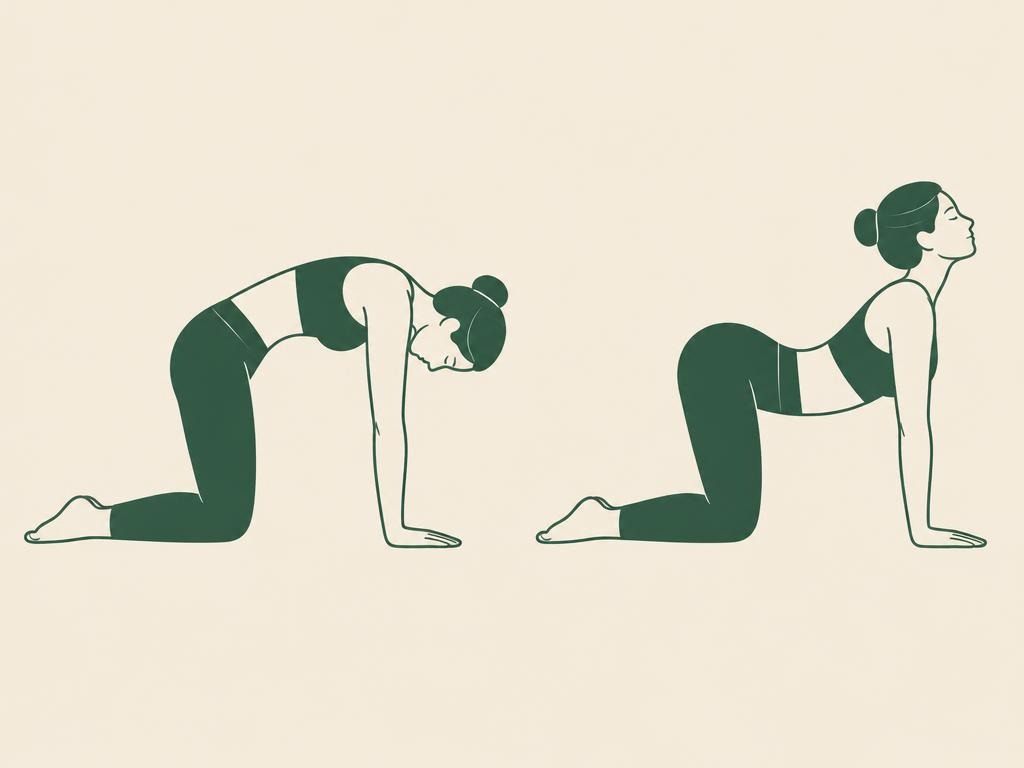
Setup: On hands and knees, hands under shoulders, knees under hips.
- Inhale and gently arch, lifting chest and tailbone.
- Exhale and round your back slowly.
- Flow between the two positions.
Starting hold or reps: 6 to 10 slow rounds.
Breathing: Inhale to arch, exhale to round; let the breath set the pace.
Common mistake to avoid: Forcing the end ranges. Stay within a comfortable arc.
Easier option: Do it seated with hands on knees.
3. Kneeling Hip Flexor Stretch
Setup: Kneel on one knee with a cushion under it, the other foot flat in front.
- Keep your torso tall and gently tuck your pelvis.
- Shift your weight forward until you feel a mild stretch at the front of the back hip.
- Hold without bouncing.
Starting hold or reps: 15 to 30 seconds per side, 2 rounds.
Breathing: Slow exhales help the hip relax; do not hold your breath.
Common mistake to avoid: Arching the lower back to go deeper. Keep the gentle pelvic tuck instead.
Easier option: Place your hands on the front knee for support, or do a standing version with one foot back.
4. Supine Hamstring Stretch With a Towel
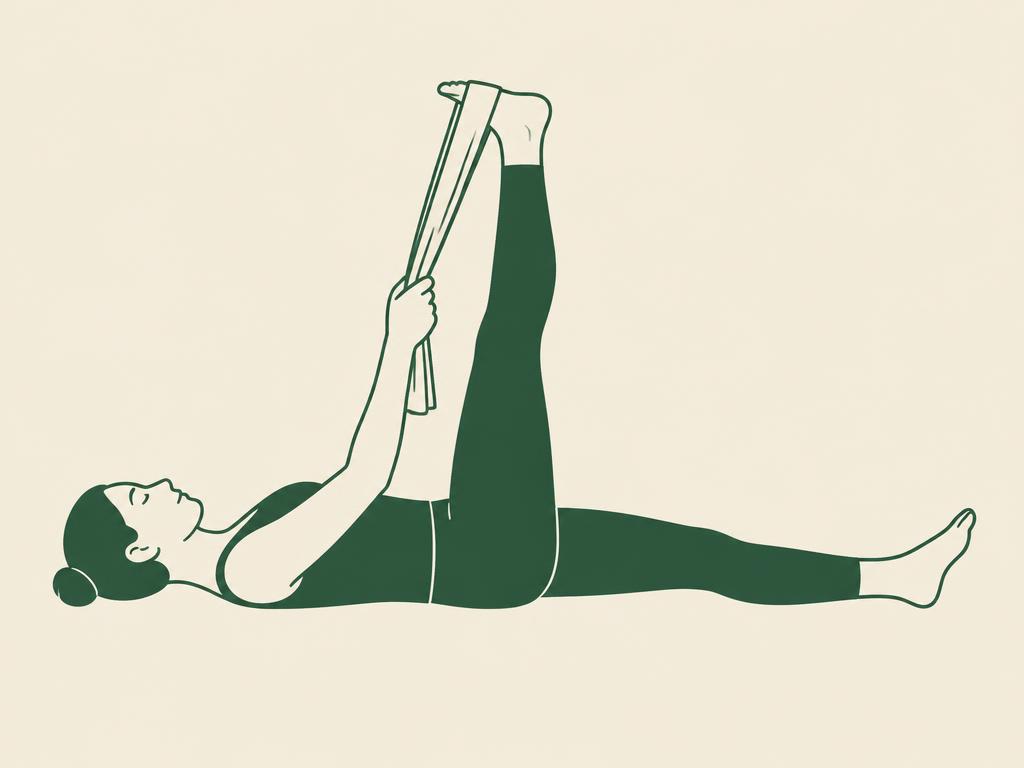
Setup: Lie on your back, knees bent, with a towel looped around one foot.
- Slowly extend that leg upward, keeping a soft knee.
- Draw the leg gently closer until you feel mild tension in the back of the thigh.
- Keep your lower back relaxed on the floor.
Starting hold or reps: 15 to 30 seconds per side, 2 rounds.
Breathing: Breathe slowly; each exhale can soften the leg a little closer, without forcing.
Common mistake to avoid: Pulling hard with a locked knee. Mild tension is the goal.
Easier option: Keep the knee more bent, or use a seated one leg version.
5. Seated Spinal Twist
Setup: Sit tall on a chair or the floor with both feet grounded.
- Place one hand on the opposite knee.
- Gently rotate your chest toward that side, keeping your spine long.
- Hold, then repeat on the other side.
Starting hold or reps: 10 to 15 seconds per side, 2 rounds.
Breathing: Inhale to lengthen, exhale to rotate a little further without forcing.
Common mistake to avoid: Cranking the twist with your arm. The rotation should come from your torso, not a hard pull.
Easier option: Reduce the range and keep both hands on the knee.
Take the next step with Prana Body House.
Take the Free Body AssessmentWhich One Should You Choose?
Neither is universally better. If your main goal is relaxation and relief of general muscle tension, massage may be the more familiar fit. If your goal is to move more freely, address stiffness from sitting or training, or learn how your body moves, assisted stretching may be more aligned.
Many people use both at different times. What matters is choosing a qualified practitioner, communicating openly about comfort, and treating either service as a complement to, not a replacement for, medical care when you need it.
Safety note: never force a range of motion or stretch into sharp pain, numbness, tingling, weakness, or symptoms that worsen as you move. Stop if any of these occur, and seek advice from a qualified healthcare professional for concerning, persistent, or unexplained symptoms. Stretching does not diagnose, treat, or cure any condition.
A Note on Qualifications
Massage therapists are licensed or regulated in many regions. Stretch practitioners may come from backgrounds in fitness, bodywork, or movement training, and regulation varies. Ask about training and approach before booking any session.
If you are interested in the practice itself, learn about stretch therapy and practitioner training at Prana Body House.
Educational disclaimer: This article is for general informational purposes and is not a substitute for medical advice, diagnosis, or treatment. Individual needs vary.