Mobility and Recovery
A Beginner Friendly Full Body Stretching Routine
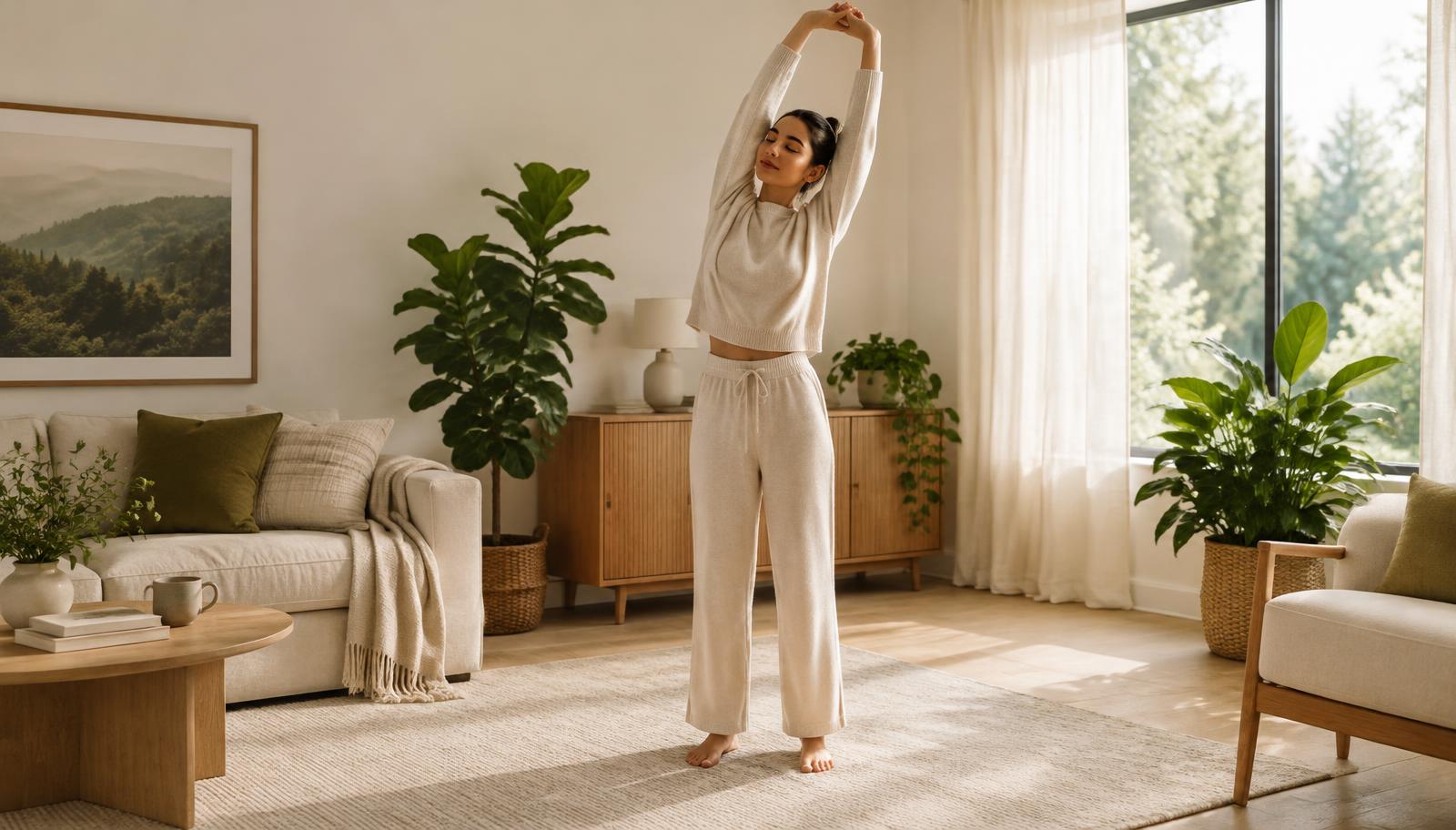
You do not need an hour long routine or special equipment to start stretching. A short, gentle full body sequence done consistently can help you move more comfortably and build body awareness. This routine is designed for beginners: eight simple movements, about ten minutes, no forcing.
Before You Start
- Move slowly. A stretch should feel like mild, comfortable tension, never sharp pain.
- Breathe normally. Holding your breath works against relaxation.
- Warm up with a minute or two of walking or gentle movement if your body feels cold or stiff.
- Skip or modify any movement that causes pain, numbness, or tingling.
The Routine, Step by Step
1. Neck Half Circles
Setup: Sit or stand tall, shoulders relaxed.
- Lower one ear gently toward your shoulder.
- Roll your chin slowly across your chest to the other side.
- Return to center and repeat.
Starting hold or reps: 3 to 5 slow half circles each way.
Breathing: Exhale as the chin crosses the chest, inhale back to center.
Common mistake to avoid: Dropping the head fully backward. Keep the movement in front of the body.
Easier option: Hold a simple ear to shoulder stretch on each side instead.
2. Shoulder Rolls
Setup: Sit or stand with arms resting at your sides.
- Lift both shoulders toward your ears.
- Roll them back and down in a slow circle.
- Reverse direction after several rounds.
Starting hold or reps: 5 to 8 rolls in each direction.
Breathing: Breathe out as the shoulders drop down and back.
Common mistake to avoid: Tensing the neck while rolling. Keep the neck long and the jaw relaxed.
3. Standing Side Reach
Setup: Stand with feet hip width apart, knees soft.
- Reach one arm overhead.
- Gently lean to the opposite side, keeping both feet grounded.
- Return to center and switch sides.
Starting hold or reps: 10 to 15 seconds per side, 2 rounds.
Breathing: Breathe into the stretched side; slow, full breaths.
Common mistake to avoid: Twisting the torso forward. Keep your chest facing ahead.
Easier option: Do the same reach seated in a chair.
4. Standing Calf Stretch
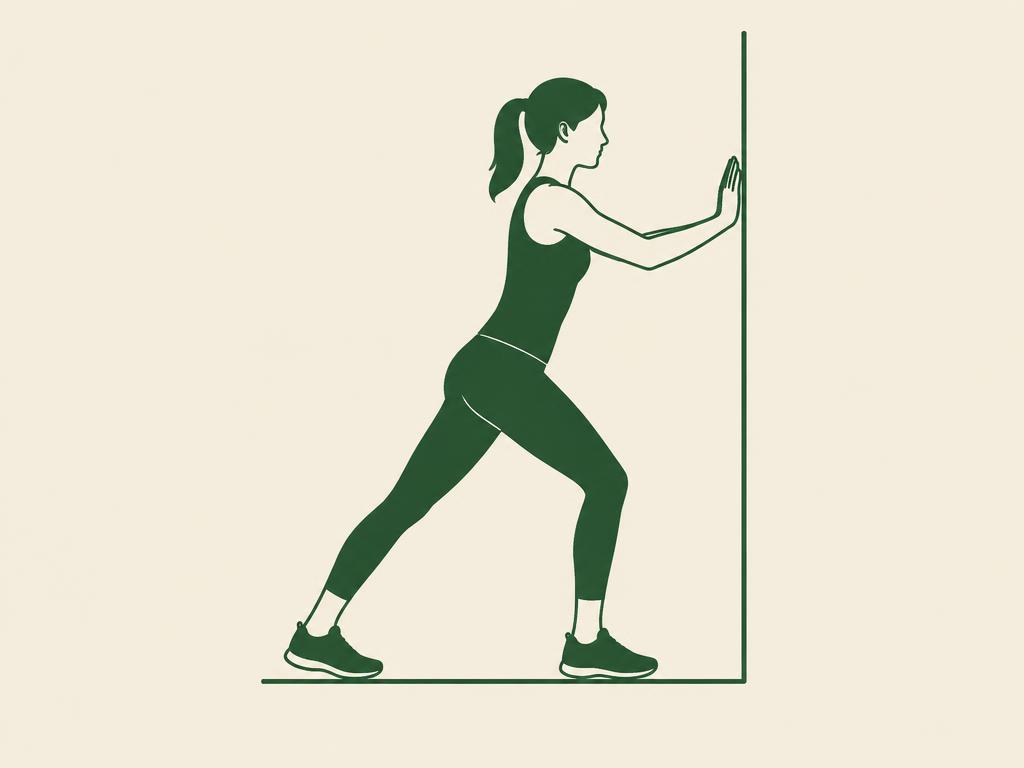
Setup: Face a wall, hands on the wall at shoulder height.
- Step one foot back, heel pressing gently down.
- Bend the front knee and shift weight forward.
- Feel a mild stretch in the back calf, then switch sides.
Starting hold or reps: 15 to 20 seconds per side, 2 rounds.
Breathing: Steady, even breathing as you lean in.
Common mistake to avoid: Letting the back heel lift or the toes turn out.
Easier option: Shorten the stance for a gentler stretch.
5. Kneeling Hip Flexor Stretch
Setup: Kneel on one knee with a cushion under it, other foot flat in front.
- Keep your torso tall and pelvis gently tucked.
- Shift your weight forward until you feel a mild stretch at the front of the back hip.
- Hold, then switch sides.
Starting hold or reps: 15 to 30 seconds per side, 2 rounds.
Breathing: Slow exhales help the hip release.
Common mistake to avoid: Arching the lower back to go deeper.
Easier option: Hands on the front knee for balance, or a standing version.
6. Seated Hamstring Stretch
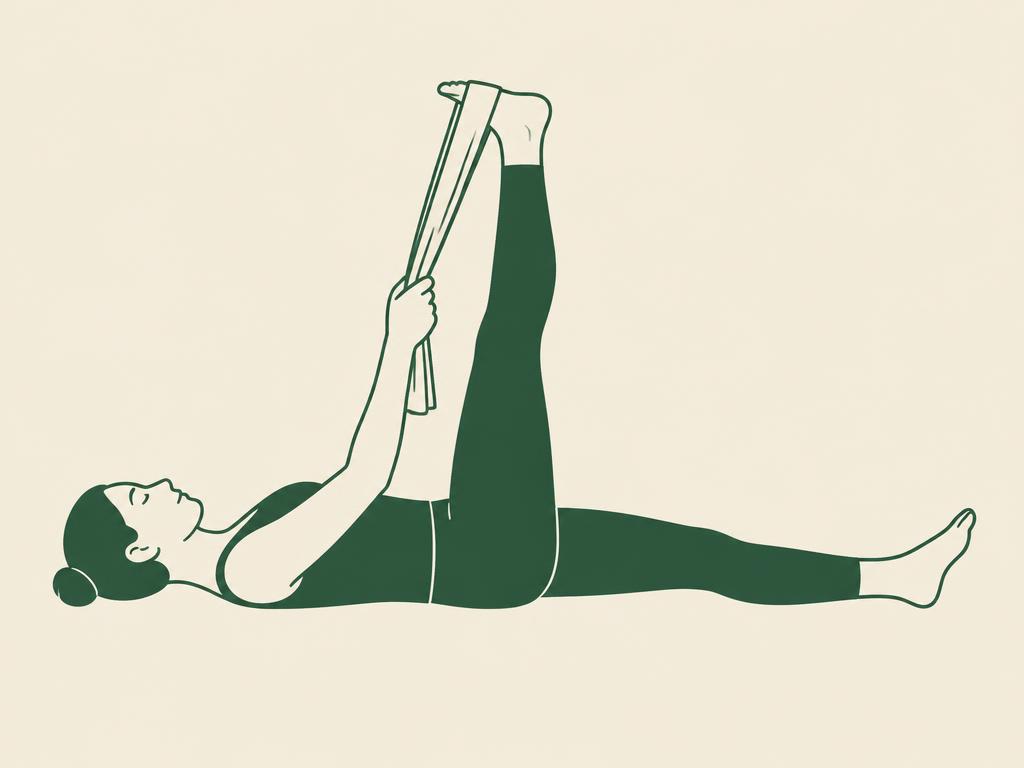
Setup: Sit with one leg extended and the other bent, foot resting against the inner thigh.
- Hinge gently forward from your hips over the extended leg.
- Keep your back long rather than rounding.
- Hold, then switch sides.
Starting hold or reps: 15 to 20 seconds per side, 2 rounds.
Breathing: Each slow exhale can ease you slightly further without forcing.
Common mistake to avoid: Rounding the back to grab the foot. Hinge from the hips instead.
Easier option: Sit on a folded blanket, or use the towel version lying down shown below.
7. Seated Figure Four Glute Stretch
Setup: Sit tall in a sturdy chair with both feet on the floor.
- Cross one ankle over the opposite knee.
- Keeping your back long, hinge slightly forward from the hips.
- Hold, then switch sides.
Starting hold or reps: 15 to 20 seconds per side, 2 rounds.
Breathing: Breathe slowly and let the hip soften on each exhale.
Common mistake to avoid: Rounding the spine and collapsing the chest to get lower.
Easier option: Stay upright and simply rest the ankle on the knee.
8. Cat Cow for the Upper Back
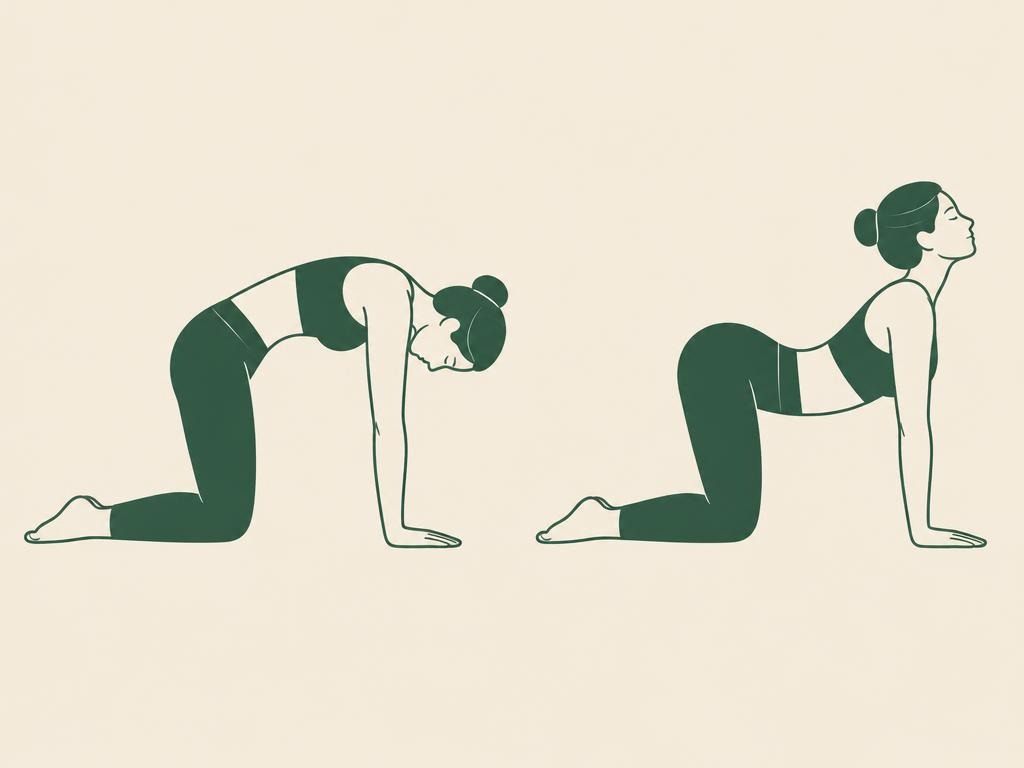
Setup: On hands and knees, hands under shoulders, knees under hips.
- Inhale and gently arch, lifting the chest.
- Exhale and round, letting the upper back broaden.
- Flow slowly between the two.
Starting hold or reps: 6 to 10 slow rounds.
Breathing: Inhale to arch, exhale to round.
Common mistake to avoid: Moving only the neck. Let the whole spine participate, especially between the shoulder blades.
Easier option: Do it seated, hands on knees.
Take the next step with Prana Body House.
Take the Free Body AssessmentHow Often Should Beginners Stretch?
Consistency matters more than intensity. Two or three sessions per week is a reasonable start, and many people enjoy a short daily routine. If you feel sore, take a rest day. More stretching is not automatically better.
Common Beginner Mistakes
- Bouncing into a stretch instead of holding it steadily.
- Stretching cold muscles aggressively first thing.
- Comparing your range to other people or to photos online.
- Pushing through pain because it feels like progress.
Safety note: never force a range of motion or stretch into sharp pain, numbness, tingling, weakness, or symptoms that worsen as you move. Stop if any of these occur, and seek advice from a qualified healthcare professional for concerning, persistent, or unexplained symptoms. Stretching does not diagnose, treat, or cure any condition.
If you want a clearer picture of where your body holds tension before building a routine, the free Prana Body Scan can help you identify your priority areas.
Educational disclaimer: This article is for general informational purposes and is not a substitute for medical advice, diagnosis, or treatment. If you have an injury or a health condition, consult a qualified professional before starting a new exercise routine.