Mobility and Recovery
Daily Mobility Routine: A Simple Way to Build a Consistent Practice
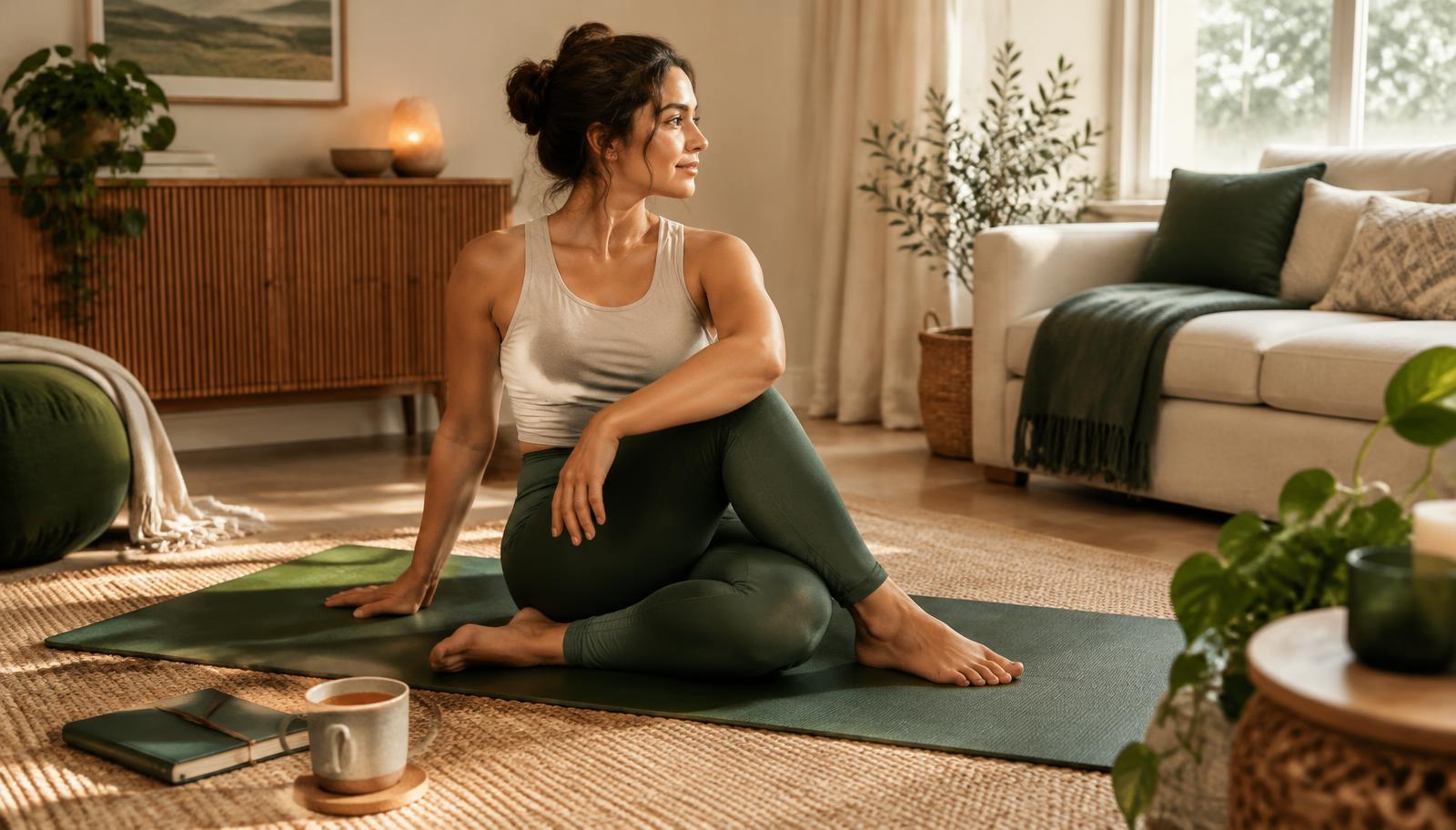
Mobility is your ability to move your joints through their comfortable range with control. Unlike a long stretching session you do once in a while, a daily mobility routine works because it is small, repeatable, and easy to keep. Ten minutes a day beats an ambitious plan you abandon in a week.
Why Daily Beats Occasional
Stiffness often builds from what you do most: sitting, driving, looking at screens. A short daily practice interrupts that pattern regularly, instead of trying to undo a week of stillness in one session. It also builds awareness. When you move the same way every day, you notice quickly when something feels different.
The Ten Minute Daily Routine, Step by Step
1. Neck and Shoulder Reset (1 minute)
Setup: Sit or stand tall, arms relaxed.
- Do 3 slow neck half circles each way: ear to shoulder, chin across the chest, up the other side.
- Follow with 5 slow shoulder rolls backward, then 5 forward.
Starting hold or reps: About 1 minute total, moving continuously but slowly.
Breathing: Exhale as shoulders drop, inhale as they lift.
Common mistake to avoid: Tensing the neck to make the circles bigger. Small and slow wins.
Easier option: Do only the shoulder rolls if neck circles feel uncomfortable.
2. Cat Cow (1 minute)
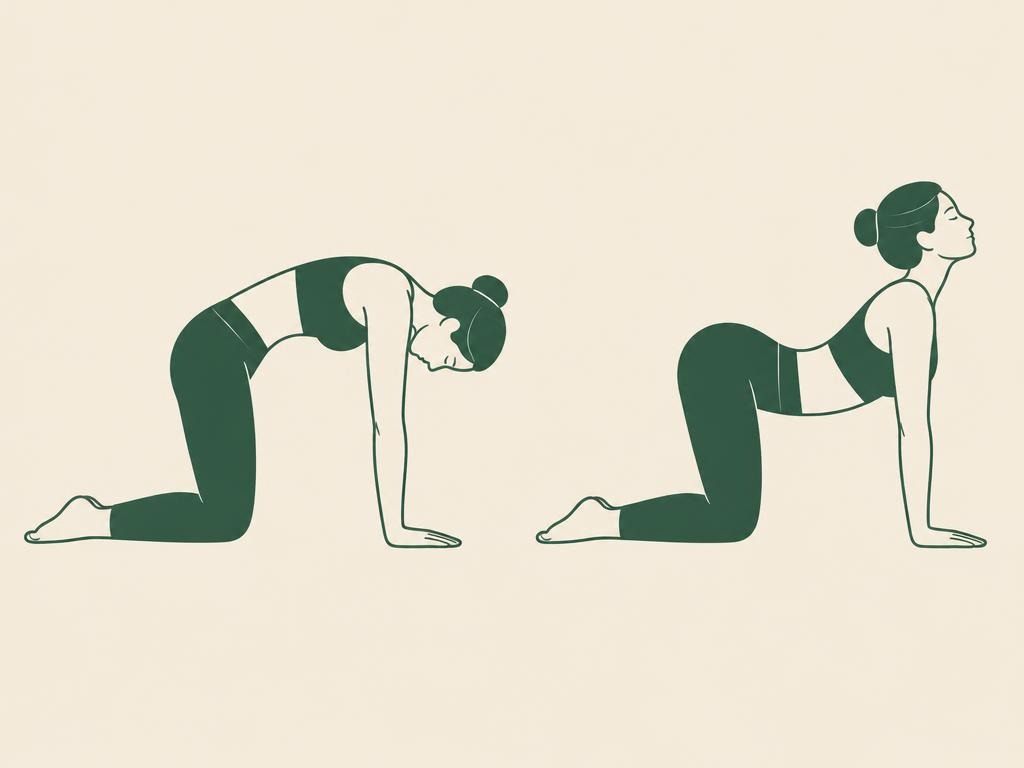
Setup: On hands and knees, hands under shoulders, knees under hips.
- Inhale, gently arch and lift the chest.
- Exhale, round slowly and let the head relax.
- Flow between the two positions.
Starting hold or reps: 6 to 10 slow rounds, about 1 minute.
Breathing: The breath leads: inhale to open, exhale to round.
Common mistake to avoid: Rushing. The value is in slow, controlled waves.
Easier option: Seated version with hands on knees.
3. Standing Hip Circles (1 minute)
Setup: Stand near a wall or chair for balance, feet hip width apart.
- Place your hands on your hips.
- Make slow circles with your hips, as if drawing a circle on the floor with your tailbone.
- Reverse direction halfway through.
Starting hold or reps: 30 seconds each direction.
Breathing: Breathe normally and keep the jaw and shoulders relaxed.
Common mistake to avoid: Twisting the whole torso. Keep the ribs quiet and let the hips move.
Easier option: Make the circles smaller, or do gentle weight shifts side to side.
4. Kneeling Hip Flexor Stretch (2 minutes)
Setup: Kneel on one knee with a cushion under it, other foot flat in front.
- Keep your torso tall and pelvis gently tucked.
- Shift weight forward until you feel mild tension at the front of the back hip.
- Hold, breathing slowly, then switch sides.
Starting hold or reps: About 30 seconds per side, 2 rounds each.
Breathing: Long, slow exhales help the hip release.
Common mistake to avoid: Arching the lower back instead of tucking the pelvis.
Easier option: Standing version with one foot stepped back.
5. Soft Standing Forward Fold (1 minute)
Setup: Stand with feet hip width apart, knees softly bent.
- Hinge forward from your hips and let your arms and head hang.
- Keep the knees as bent as you need.
- Hold, then roll up slowly one vertebra at a time.
Starting hold or reps: 15 to 20 seconds, 2 rounds.
Breathing: Let each exhale release the back of the body toward the floor.
Common mistake to avoid: Locking the knees and straining to touch the floor.
Easier option: Rest your hands on a chair seat instead of hanging fully.
6. Ankle Rolls and Knee to Chest (2 minutes)
Setup: Sit or lie comfortably.
- Circle each ankle slowly 5 to 8 times in each direction.
- Then lie on your back and bring one knee toward your chest, supporting it with your hands.
- Hold, switch legs, and repeat once more per side.
Starting hold or reps: 10 to 15 seconds per knee, 2 rounds.
Breathing: Slow, quiet breathing; notice how your lower back feels against the floor.
Common mistake to avoid: Pulling the knee hard toward the chest. Gentle contact is enough.
Easier option: Keep both feet on the floor and rock the knees gently side to side.
Finish With One Minute of Quiet Breathing
Sit or lie comfortably, relax your shoulders and jaw, and breathe slowly for about a minute. This is a simple way to mark the end of the practice and notice how your body feels compared to when you started.
How Often Should You Stretch and Move?
For general mobility, most people do well with daily gentle movement plus two or three more focused stretching sessions per week. The exact frequency matters less than consistency and how your body responds. If a movement leaves you sore or increases discomfort, scale back.
How to Make the Habit Stick
- Attach it to something you already do, like morning coffee or an evening wind down.
- Keep it short enough that skipping feels unnecessary.
- Lay out a mat or clear a spot the night before.
- Track how you feel, not just whether you did it.
Take the next step with Prana Body House.
Take the Free Body AssessmentAdjust the Routine to Your Body
A daily routine is a template, not a rulebook. If your hips are your tightest area, spend more time there. If your mornings are rushed, split the routine into two five minute blocks. The free Prana Body Scan can help you identify which areas deserve the most attention, so your ten minutes go where they matter.
Safety note: never force a range of motion or stretch into sharp pain, numbness, tingling, weakness, or symptoms that worsen as you move. Stop if any of these occur, and seek advice from a qualified healthcare professional for concerning, persistent, or unexplained symptoms. Stretching does not diagnose, treat, or cure any condition.
If you have an injury, a recent surgery, or ongoing pain, check with a qualified healthcare professional before starting a new daily movement practice.
Educational disclaimer: This article is for general informational purposes and is not a substitute for medical advice, diagnosis, or treatment. Individual needs vary.