Stretch Therapy
What Is Stretch Therapy? Benefits, What to Expect, and Who It May Suit
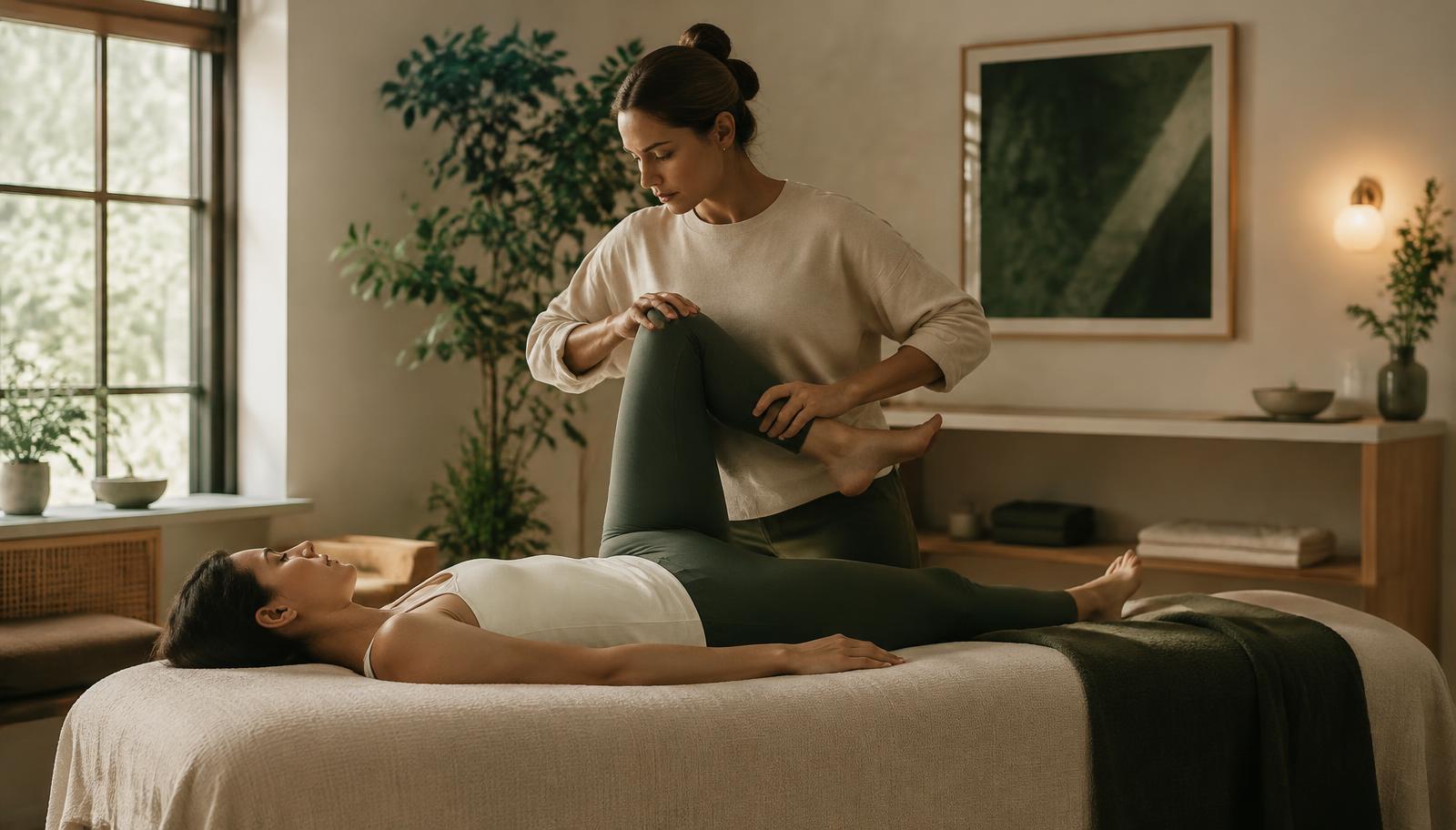
Stretch therapy is a guided, one on one approach to improving how your body moves. Instead of stretching on your own, a trained practitioner moves your limbs and joints through comfortable ranges of motion for you, adjusting position, pressure, and pacing based on how your body responds.
If you have ever felt unsure whether you are stretching correctly, or you simply cannot reach certain positions on your own, assisted stretching offers a structured alternative. This guide explains what stretch therapy is, what the potential benefits are, what a first session typically looks like, and who it may or may not suit.
What Is Stretch Therapy?
Stretch therapy, sometimes called assisted stretching, is a session based practice where a practitioner guides your body through selected stretches. You stay relaxed while the practitioner does the positioning work, which allows many people to reach a comfortable range they cannot achieve alone.
Sessions are usually tailored. A practitioner will ask about your goals, your activity levels, and any areas of tension or concern, then choose movements accordingly. Stretch therapy is a wellness service, not a medical treatment, and it does not diagnose or treat any condition.
Potential Benefits of Assisted Stretching
Research on stretching generally suggests it can help maintain or improve flexibility and range of motion when practiced consistently. People who try assisted stretching often report:
- Feeling less stiff after long periods of sitting or repetitive activity.
- Greater awareness of where they hold tension.
- A relaxed, calm feeling after a session, similar to other gentle bodywork.
- Learning movements they can repeat at home between sessions.
Individual experiences vary, and no stretching approach can guarantee a specific outcome. Stretch therapy is best understood as one part of a broader movement and recovery routine.
What to Expect in a First Session
- A short conversation about your goals, activity, and relevant health history.
- Comfortable clothing you can move in; you stay fully dressed.
- Guided stretches on a table or mat, with the practitioner checking in on comfort.
- Adjustments or skipped movements whenever something does not feel right.
- Simple suggestions for movement or mobility work at home.
A good practitioner explains each movement before doing it, asks for your consent before hands on contact, and checks in on comfort throughout. You should feel comfortable speaking up at any point, and hands on assisted stretching should always be performed by a trained provider, never improvised by an untrained partner.
A Sample Self Stretch Routine Between Sessions
Practitioners often send clients home with a short routine like this one. These are self stretches you can do on your own; the hands on versions belong in a session with a trained provider.
1. Supine Hamstring Stretch With a Towel
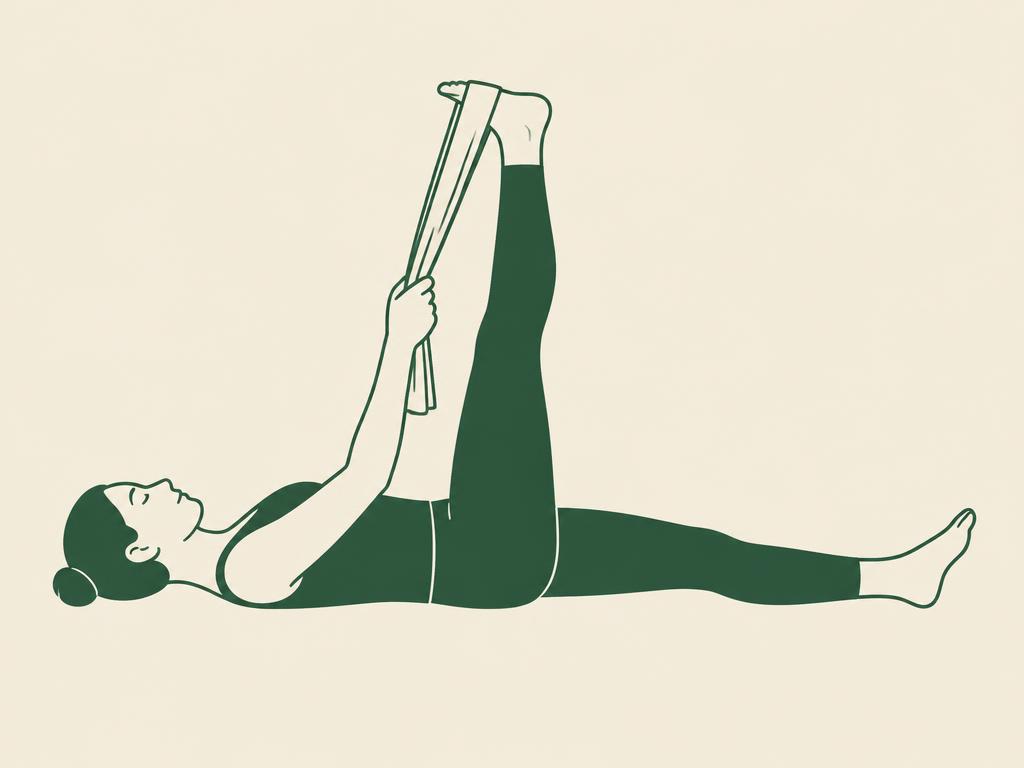
Setup: Lie on your back on a comfortable surface with both knees bent and a towel or belt nearby.
- Loop the towel around the ball of one foot.
- Slowly straighten that leg toward the ceiling, keeping a soft bend in the knee.
- Hold the towel with both hands and gently draw the leg closer until you feel mild tension along the back of the thigh.
- Keep the other leg bent with the foot on the floor, or extend it if that feels better for your back.
Starting hold or reps: 15 to 30 seconds per side, 2 rounds.
Breathing: Breathe in through your nose, and let each slow exhale soften your shoulders into the floor.
Common mistake to avoid: Locking the knee and pulling hard. A soft knee with mild tension works better than a straight leg with strain.
Easier option: Keep the raised knee more bent, or do the stretch seated with one leg extended.
2. Cat Cow
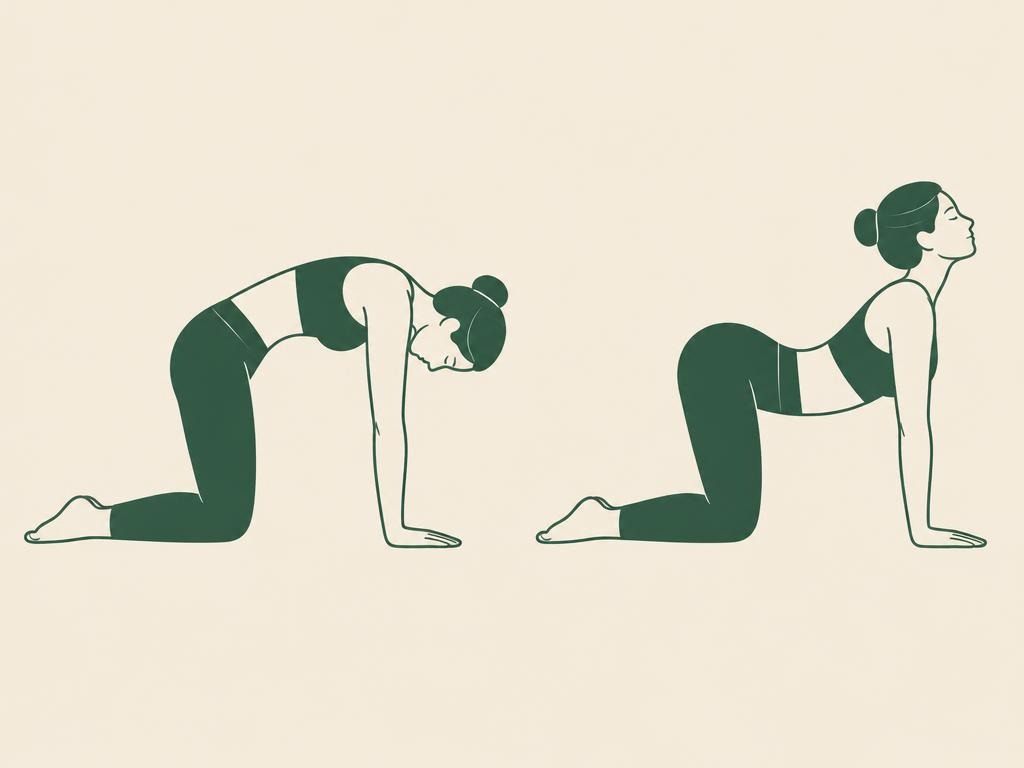
Setup: Come onto your hands and knees with hands under shoulders and knees under hips.
- As you breathe in, gently let your belly soften and lift your chest and tailbone.
- As you breathe out, round your back slowly and let your head relax.
- Move smoothly between the two positions without forcing either end.
Starting hold or reps: 6 to 10 slow rounds.
Breathing: Let the breath lead the movement: inhale to open, exhale to round.
Common mistake to avoid: Rushing through the movement. Slow, small waves are more useful than big fast ones.
Easier option: Do the same movement seated, hands on knees, gently arching and rounding.
3. Standing Calf Stretch
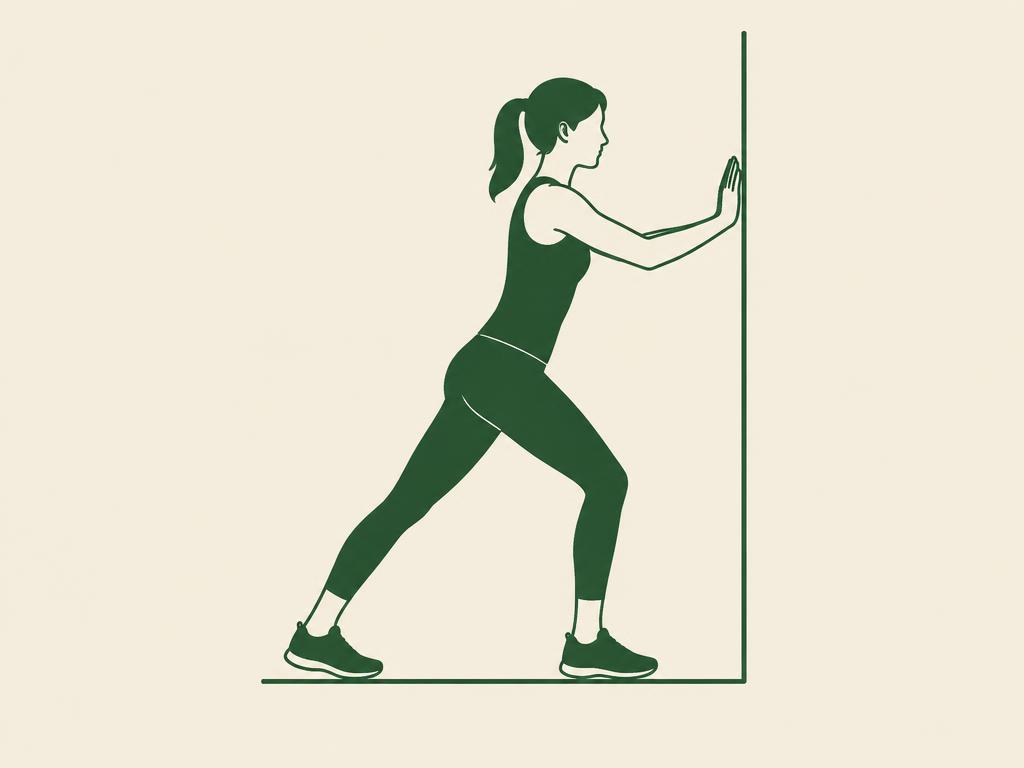
Setup: Stand facing a wall with your hands on the wall at shoulder height.
- Step one foot back and press that heel gently toward the floor.
- Bend the front knee while keeping the back leg straight.
- Shift your weight forward until you feel a mild stretch in the back calf.
Starting hold or reps: 15 to 20 seconds per side, 2 rounds.
Breathing: Breathe normally and evenly; avoid holding your breath as you lean in.
Common mistake to avoid: Letting the back heel lift or the back foot turn out. Keep the heel down and the toes pointing forward.
Easier option: Shorten the stance so the stretch is gentler.
4. Doorway Chest Stretch
Setup: Stand in a doorway with one forearm resting on the frame, elbow about shoulder height.
- Step the same side foot slightly forward.
- Gently turn your chest away from the arm until you feel a mild stretch across the front of the chest.
- Keep your shoulders relaxed and down.
Starting hold or reps: 15 to 20 seconds per side, 2 rounds.
Breathing: Slow, full breaths; let the exhale release tension across the chest.
Common mistake to avoid: Shrugging the shoulder toward the ear or arching the lower back to increase the stretch.
Easier option: Lower the elbow below shoulder height for a gentler angle.
Take the next step with Prana Body House.
Take the Free Body AssessmentWho May Benefit, and Who Should Be Cautious
Stretch therapy may suit people who sit for long hours, feel generally stiff, train regularly and want structured recovery, or simply prefer guidance over stretching alone.
It may not be appropriate if you have a recent injury, surgery, joint instability, or a condition that affects your muscles, bones, or connective tissue. In those cases, speak with a qualified healthcare professional first.
Safety note: never force a range of motion or stretch into sharp pain, numbness, tingling, weakness, or symptoms that worsen as you move. Stop if any of these occur, and seek advice from a qualified healthcare professional for concerning, persistent, or unexplained symptoms. Stretching does not diagnose, treat, or cure any condition.
Stretch Therapy at Prana Body House
At Prana Body House, we approach stretching as a skill worth learning, whether you want to receive it or practice it professionally. If you are curious about the training side, explore the Prana Stretch Certification to see what practitioner education involves. If you want to understand your own body first, the free Body Scan is a gentle place to start.
Educational disclaimer: This article is for general informational purposes and is not a substitute for medical advice, diagnosis, or treatment. Individual needs vary.